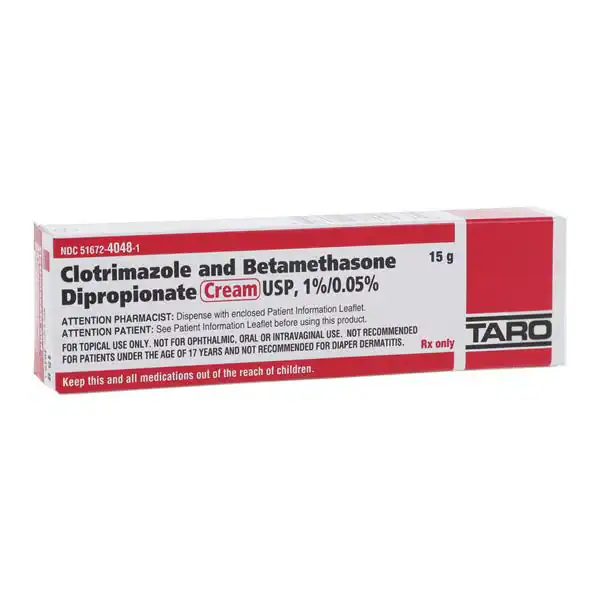
Clotrimazole and betamethasone dipropionate cream is used to treat various fungal skin infections such as athlete’s foot, jock itch, and ringworm. The cream works by combining two key components:
Clotrimazole: The Antifungal Agent
Clotrimazole is an antifungal agent that works by disrupting the cell membrane of fungi. This disruption halts their growth and multiplication, effectively treating the infection. Its efficacy in treating common fungal infections makes it a staple in dermatological care.
Betamethasone Dipropionate: The Anti-Inflammatory Component
Betamethasone dipropionate is a potent corticosteroid that reduces swelling, redness, and itching associated with infections. By controlling inflammation, it not only alleviates discomfort but also accelerates the healing process. This dual action enhances the cream’s effectiveness.
The Synergy of Combination
The combination of clotrimazole and betamethasone dipropionate makes the cream an effective treatment for relieving discomfort and eliminating infections. This synergy ensures that while the antifungal fights the root cause, the corticosteroid soothes the symptoms, providing comprehensive care.
Cash Price Overview (US Pharmacies)
- GoodRx lists generic clotrimazole/betamethasone cream (45 g, 1%/0.05%) starting at around $9.31, with coupons potentially lowering it to $6.69 pharmacy.amazon.com+10goodrx.com+10pharmacychecker.com+10.
- Drugs.com reports cash prices of $18.97 for 15 g and $36.90 for 45 g when using discount cards drugs.com+1singlecare.com+1.
- SingleCare averages $107.54 retail, but with coupons it drops to $14.47 for a 45 g tube blinkhealth.com+7singlecare.com+7goodrx.com+7.
- Amazon-linked sources note “most customers pay around $3” — potentially via insurance or pharmacy programs pharmacy.amazon.com.
Summary:
- Lowest out‑of‑pocket (coupon card): ~$6–15 for a 45 g tube.
- Typical cash price without coupon: ~$19–37 for 15–45 g.
Online/International Pricing
- Canadian suppliers (e.g., PharmacyChecker) offer $2.43 USD per gram, which equals about $66 for 30 g (Canadian shipping included) pharmacy.amazon.com+9goodrx.com+9singlecare.com+9goodrx.comgoodrx.com+3pharmacychecker.com+3drugs.com+3.
- Another Canadian site lists a 50 g tube at $67.99 USD or a 75 mL lotion at $27.99 USD — somewhat cheaper per quantity canadianpharmacyking.com.
🧾 Insurance / Medicare Coverage
- Most Medicare Part D and Medicare Advantage plans cover this cream.
- Copays typically range from $1 to $2, depending on coverage stage goodrx.com+1singlecare.com+1.
Money‑Saving Tips
- Use discount cards like GoodRx or SingleCare — can reduce price to ~$6–15/tube.
- Check multiple pharmacies — prices vary significantly (e.g., $9 to $36).
- Use Medicare Part D or insured plan — copays often just $1–2.
- Consider international online pharmacies — especially for larger quantities.
- Ask pharmacist about manufacturer coupons, especially for Lotrisone.
💡 Suggested Price Comparison
| Purchase OptionTypical Price (45 g tube) | |
| GoodRx coupon (US) | ~$6.69 |
| SingleCare coupon (US) | ~$14.47 |
| Drugs.com discount card | ~$19–37 |
| Canadian online pharmacy | ~$27–68 (USD equivalent) |
| Medicare Part D copay | $1–2 |
Understanding the Pricing
The cost of clotrimazole and betamethasone dipropionate cream can vary based on several factors. Let’s explore these components:
Base Price of the Cream
The base price of clotrimazole and betamethasone dipropionate cream USP 1%/0.05% can fluctuate depending on the manufacturer and the pharmacy. Generally, the price range for a tube of cream varies, but it is essential to shop around to find the best deal. Some pharmacies may offer discounts or loyalty programs that lower the base price further.
Manufacturer Differences
Different pharmaceutical companies produce clotrimazole and betamethasone dipropionate cream. For instance, Taro Pharmaceuticals is a well-known manufacturer. The price from Taro might differ from other brands, impacting what you pay at the pharmacy. Brand reputation, production quality, and distribution costs all contribute to price disparities.
Retail and Online Pharmacy Costs
Pharmacies set their prices based on factors like location, demand, and supply chain costs. Generally, online pharmacies might offer competitive pricing compared to brick-and-mortar stores. However, it’s important to buy from reputable sources to ensure you get authentic medication. Consider the convenience and potential savings of online shopping, but weigh them against the risk of counterfeit products.
Prescription vs. Over-the-Counter
In some regions, clotrimazole and betamethasone dipropionate cream requires a prescription, while in others it might be available over-the-counter. The availability can influence the price, as over-the-counter options may be cheaper due to less regulatory overhead. Understanding local regulations can help you navigate availability and cost.
Insurance Coverage and Discounts
Many insurance plans cover the cost of prescription medications, including clotrimazole and betamethasone dipropionate cream. Checking with your provider can help you understand your co-pay or how much of the cost is covered. Additionally, discount cards and programs may reduce the out-of-pocket expense. Insurance negotiations and partnerships with specific pharmacies can also affect pricing.
Specific Price Insights
Clotrimazole and Betamethasone Dipropionate Cream USP 1%/0.05% Price
The USP 1%/0.05% formulation is a standard concentration. Prices vary, but on average, a tube costs between $10 to $30, depending on the pharmacy and whether you have insurance or a discount. Investigating various pharmacies, both in-store and online, can provide you with a broader view of potential pricing.
Taro Clotrimazole and Betamethasone Dipropionate Cream Price
Taro’s version of the cream might be priced differently due to its branding and production quality. Typically, you can expect a similar price range as the generic options, though sometimes it might be slightly higher due to brand reputation. Evaluate whether the brand’s perceived quality justifies any additional cost.
Cost in Different Locations
- United States: Prices can vary widely. On average, a tube may cost around $20, but it can be higher or lower based on location and insurance. Local taxes and regulations can further influence pricing.
- India: In India, the cost is generally lower due to local manufacturing and subsidies. Prices can range from ₹100 to ₹250 per tube. Government policies and local production affect affordability.
- Other Countries: Prices fluctuate globally, often influenced by local healthcare policies and manufacturing costs. International shipping and tariffs also play a role in determining the final cost.
Tips for Finding the Best Price
- Compare Prices: Use websites and apps to compare prices at different pharmacies. Some platforms show both local and online options. Price comparison tools can save you significant amounts over time.
- Check for Coupons: Many pharmacies offer coupons or loyalty programs that can reduce the price. Sign up for newsletters or pharmacy programs to receive notifications on deals.
- Generic Options: Consider generic versions of the cream which are typically less expensive than branded ones. Generics offer the same active ingredients but at a reduced cost.
- Insurance Plans: Verify coverage with your health insurance plan to reduce costs. Some plans offer additional discounts through partnerships with specific pharmacies.
- Consult Your Doctor: Sometimes, doctors can provide samples or recommend cost-effective alternatives. Open communication with healthcare providers can unveil savings opportunities.
Conclusion
Understanding the cost of clotrimazole and betamethasone dipropionate cream is essential for effective budget management, especially if you need long-term treatment. Prices can vary based on several factors, including the manufacturer, location, and insurance coverage. By exploring all available options and utilizing tools to compare prices, you can find the most affordable way to purchase this medication. Always consult with healthcare professionals to ensure you’re using the cream correctly and safely for your specific condition. Proper usage not only enhances treatment outcomes but also maximizes value from your investment in health.